
 9640056766
 Manisha Diabetes and Endocrine Centre, Danavayapeta, Rajahmundry, Andhra Pradesh - 533101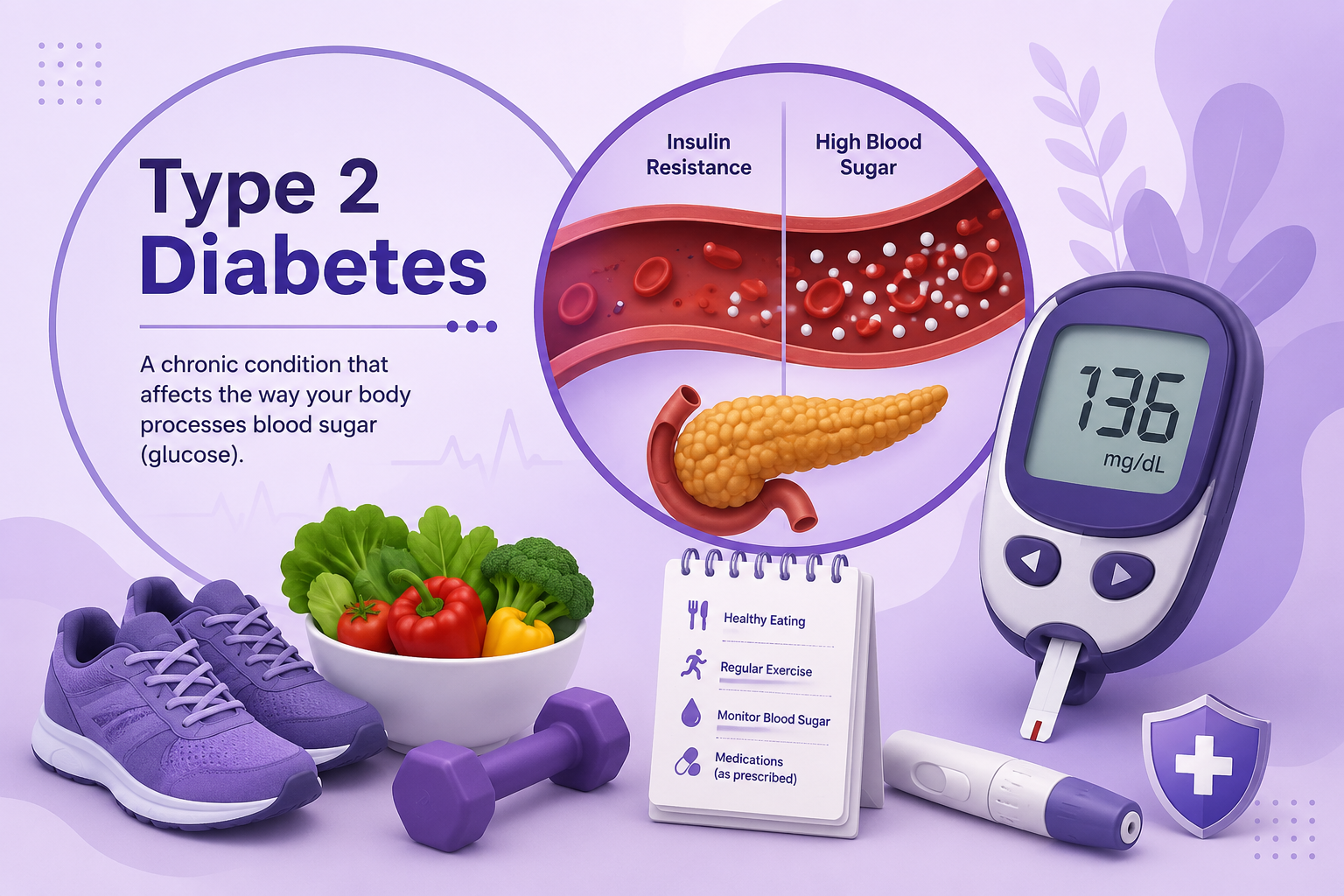
Overview
Type 2 diabetes develops when the body becomes resistant to insulin or does not produce enough of it, leading to consistently high blood glucose levels. It is the most common form of diabetes and, left unmanaged, can affect the heart, kidneys, eyes and nerves. With the right combination of medication, nutrition and monitoring, most patients achieve excellent long-term control.
Symptoms
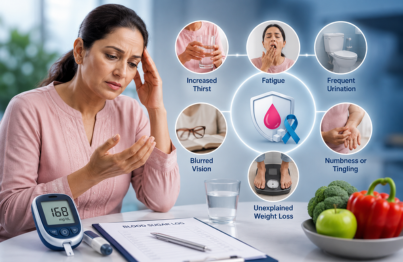
- Increased thirst and frequent urination
- Persistent fatigue and low energy
- Blurred vision
- Slow-healing cuts or wounds
- Unexplained weight loss or increased hunger
- Frequent infections, including skin and urinary infections
Causes & Risk Factors
Type 2 diabetes usually develops from a combination of insulin resistance and reduced insulin production over time. Common risk factors include excess body weight, physical inactivity, a family history of diabetes, high blood pressure, and age over 45 - though it is increasingly diagnosed in younger adults.
Diagnosis
Diagnosis is confirmed through fasting blood glucose, HbA1c (average blood sugar over 2-3 months), or an oral glucose tolerance test. Dr. Manisha also evaluates related risk factors such as cholesterol, kidney function and blood pressure to build a complete picture of your metabolic health.
Treatment Options
Treatment is tailored to your blood sugar levels, lifestyle and any related health conditions, and may include:
- Structured nutrition and physical activity planning
- Oral medications to improve insulin sensitivity or secretion
- Insulin therapy when required, with clear self-administration guidance
- Continuous glucose monitoring (CGM) for detailed pattern tracking
- Regular screening for diabetes-related eye, kidney and nerve complications

Benefits Of Treatment At Our Clinic
- Individualised treatment plans, not generic protocols
- Access to insulin pump therapy and CGM technology
- Regular monitoring to prevent long-term complications
- Clear, judgement-free guidance on diet and lifestyle change


 Emergency Contact: 9640056766